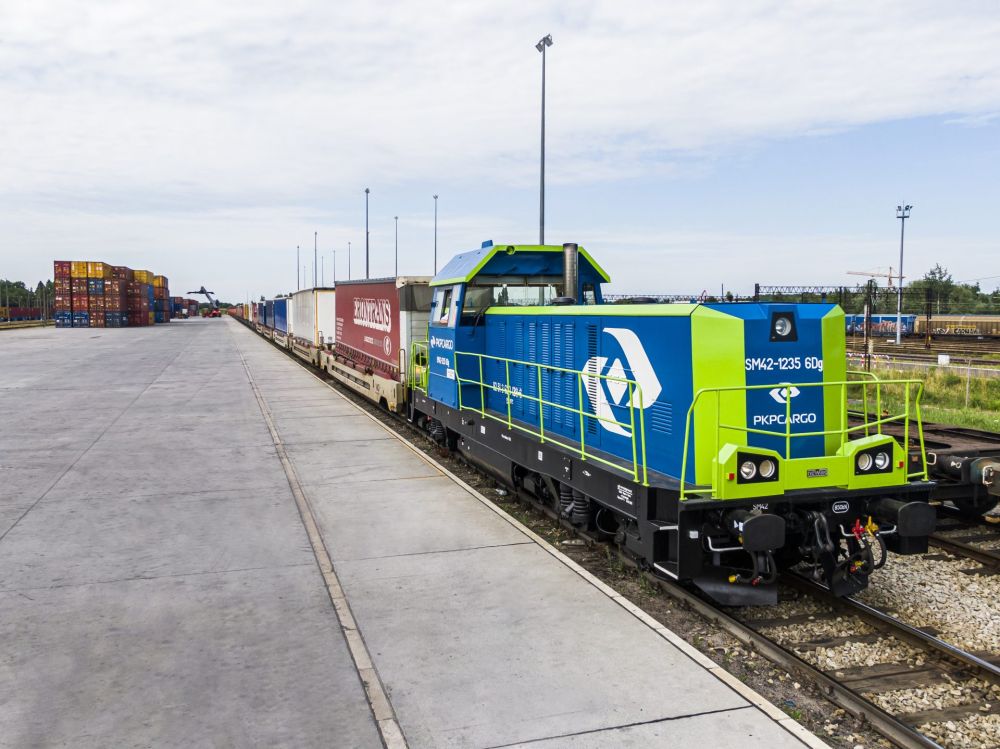
On 30 June 2025, PKP CARGO in restructuring submitted its Restructuring Plan, outlining measures planned through 2031. The Plan focuses on restoring liquidity, repaying nearly PLN 3 billion (€678 million) in liabilities, adjusting operational structure, and preparing the company for future investment opportunities.
Debt repayment and financial restructuring
The Restructuring Plan addresses liabilities totaling PLN 2.937 billion (€664 million) as of 30 May 2025. These obligations stem from extended periods of operational and financial neglect. PKP CARGO proposes a repayment structure as part of a court-supervised recovery procedure. The plan was prepared with support from an external consultancy working alongside the Sanation Estate Administrator and company management.
Debt reduction efforts are tied to broader financial restructuring measures and negotiations with creditors. The company expects these talks to define the terms for its long-term solvency.

Restructuring strategy across core business areas
The Plan identifies actions across several domains:
- Sales restructuring: Targets include retention and reacquisition of customers, strengthening sales teams, improving pricing structures, and expanding international operations. New branches and transport connections outside Poland are expected to play a larger role in revenue generation.
- Operations restructuring: Efficiency measures include reorganization of planning and transport execution, supported by automation and system integration.
- Employment restructuring: PKP CARGO is considering adjustments in administrative and operational staffing aligned with market benchmarks for transport work. Layoffs are scheduled through 30 June 2026 but are under discussion with trade unions. An alternative to layoffs includes changing the Collective Labour Agreement and implementing a new motivation and remuneration system earlier than originally planned.
- Information management: IT system consolidation across the PKP CARGO Capital Group is expected to support scalable operations while maintaining headcount levels in key areas.
- Asset optimization: The Plan includes the sale of non-essential fixed assets such as real estate and rolling stock. Additionally, divestments are planned in subsidiaries deemed unnecessary for core logistics operations.
- Structural adjustments: Aims include internal consolidation of business functions, including repair services and logistics operations, under the umbrella of PKP CARGO Group.
Medium-term revenue and cost structure changes
By 2031, PKP CARGO forecasts an EBITDA of PLN 1.296 billion (€293 million). The company also projects a shift in its revenue profile:
- Revenue from hard coal transport is expected to fall to 13% by 2031.
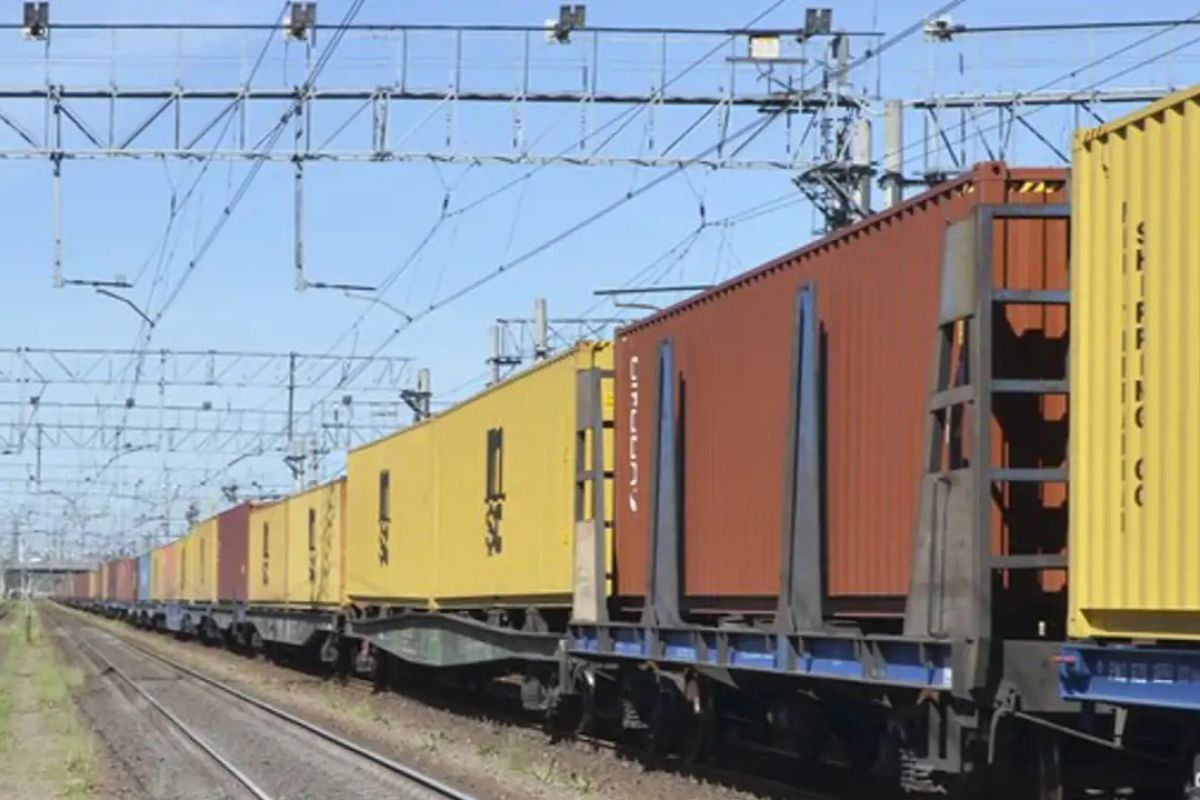
- Revenue from intermodal transport is projected to reach 19%.
The business model will shift away from declining segments, especially coal transport. The company aims to expand its intermodal and specialized freight operations, which are considered more stable across economic cycles. Cost reduction will also come from centralizing support functions and improving process efficiency.
Rail freight remains core activity
Rail freight will remain PKP CARGO's core activity. However, the Plan includes changes to its organizational structure aimed at improving operating margins and cost profiles. These include simplifying internal operations and updating managerial oversight mechanisms.
The Restructuring Plan sets out actions to stabilize the company after a prolonged period of financial instability and market share erosion. The company initiated the restructuring procedure in 2024.